
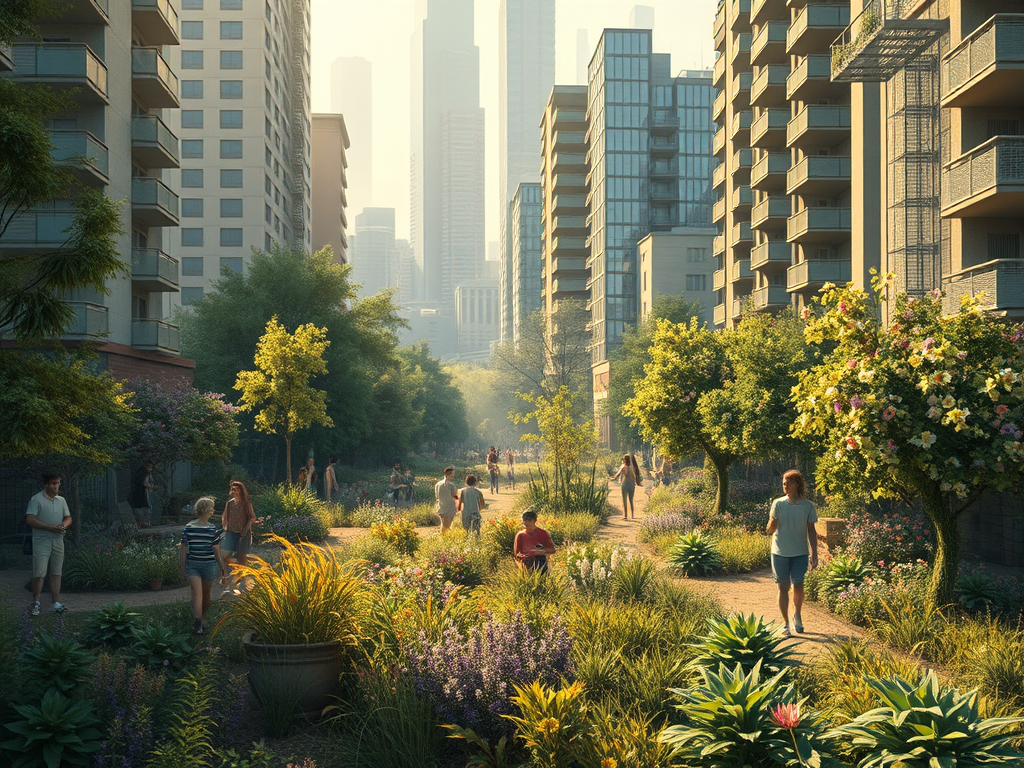
Our modern cities are built on the promise of economic growth, yet too often, this growth comes at the expense of our social fabric and the environment. As urban areas expand, concrete and steel replace green spaces, and natural ecosystems are pushed to the margins. However, a growing movement toward urban rewilding is challenging this status quo by reclaiming abandoned spaces, restoring native vegetation, and creating biodiverse habitats right in our cities. This approach not only enhances environmental quality but also offers profound social benefits.
Rethinking Urban Cost: Beyond Economic Metrics
Traditionally, urban planning has prioritized economic indicators—gross domestic product, property values, and infrastructural investments. But these metrics often overlook the hidden costs: the degradation of social well-being and environmental health. When we replace parks and natural areas with concrete developments, we ignore the social and environmental externalities that are essential for a sustainable quality of life. Urban rewilding offers an alternative paradigm, one that calls for decision-makers to internalize these costs by considering the broader impacts of urban development.
The Promise of Urban Rewilding
Urban rewilding involves restoring natural ecosystems in urban settings—transforming vacant lots, abandoned industrial sites, or underused public spaces into thriving green areas. Studies have shown that even small patches of native vegetation can dramatically improve urban biodiversity, reduce air pollution, and mitigate the urban heat island effect. For instance, research published in the Journal of Environmental Management demonstrates that nature-based solutions in cities can reduce ambient temperatures and improve air quality
Beyond the environmental benefits, rewilding has significant social implications. Green spaces encourage community interaction, reduce stress, and improve overall mental health. A study in Landscape and Urban Planning found that access to natural environments in cities is directly linked to higher levels of community well-being and social cohesion.
Economic, Social, and Environmental Synergy
Urban rewilding embodies a holistic approach to development. While the initial investment in rewilding projects might seem to compete with traditional economic expenditures, the long-term returns—both tangible and intangible—are considerable. Economically, green spaces increase property values and attract tourism, while also reducing public health costs by improving air quality and lowering stress-related illnesses. Socially, these spaces foster stronger community ties and provide a venue for cultural and recreational activities. Environmentally, rewilding helps restore biodiversity, sequester carbon, and create resilient urban ecosystems that can better withstand climate change.
Case Studies: Success in Action
Several cities worldwide have embraced urban rewilding with impressive results. In Melbourne, Australia, the transformation of former industrial sites into community parks has revitalized neighborhoods, creating vibrant social hubs while restoring native flora and fauna. Similarly, in London, projects like the Queen Elizabeth Olympic Park have demonstrated how large-scale rewilding can be integrated into urban development, balancing economic growth with ecological stewardship.
The Path Forward: Policy and Community Action
For urban rewilding to truly transform our cities, both policymakers and citizens must work together. Governments need to revise urban planning guidelines to include environmental and social costs alongside economic metrics. This could involve:
- Implementing Incentives for Green Development: Tax breaks and grants for projects that incorporate nature-based solutions.
- Protecting and Expanding Urban Green Spaces: Zoning laws that preserve existing parks and incentivize the creation of new ones.
- Fostering Community-Led Initiatives: Empowering local residents to take part in rewilding projects, ensuring that green spaces meet the needs of the community.
Conclusion
Urban rewilding is more than just a trend—it is a transformative strategy that challenges us to rethink how we measure progress in our cities. By acknowledging the full cost of urban development and embracing nature-based solutions, we can create healthier, more resilient, and more connected communities. Our cities have the potential to be economic powerhouses, social sanctuaries, and ecological havens all at once. The time has come to rewild our urban landscapes and recognize that true progress must account for not only financial gains but also the well-being of our people and the health of our planet.
 BIRDnews
Leave a comment