
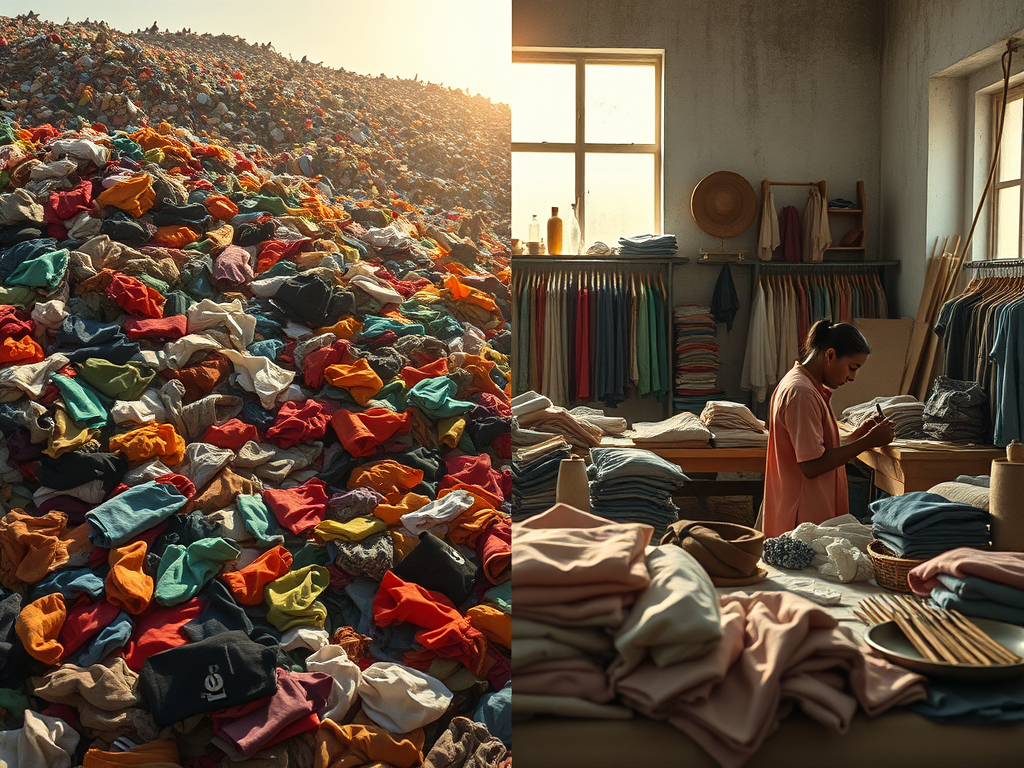
In today’s world, the allure of cheap, trendy clothing has driven the rapid rise of fast fashion. But beneath the surface of low prices and constant newness lies a disturbing reality: fast fashion comes at a huge environmental and social cost. While consumers enjoy the convenience of disposable clothing, we are paying with our planet’s health and the well-being of exploited workers.
Environmental Devastation
Fast fashion relies on mass production and rapid turnover, which leads to enormous amounts of waste and pollution. The production of synthetic fibers like polyester, which dominate the fast fashion industry, contributes significantly to greenhouse gas emissions. These materials also shed microplastics into our waterways every time we wash our clothes, further polluting oceans and harming marine life.
Moreover, the vast amounts of water required for textile production, along with the toxic chemicals used in dyeing processes, devastate local ecosystems. The environmental impact is compounded by the fact that so much of the waste ends up in landfills, where it can take centuries to decompose.
Social Costs and Exploitation
Behind the glossy images of runway shows and celebrity endorsements, the fast fashion industry is notorious for exploiting labor. Workers in developing countries often face poor working conditions, low wages, and long hours to meet the insatiable demand for cheap clothing. This systemic exploitation is hidden behind the low price tags we see in our local stores.
These workers, who produce the garments we discard after only a few wears, rarely see the profits generated by the global fashion market. Their exploitation is a direct consequence of a system designed for maximum profit at the expense of ethical practices.
The Illusion of Choice
Fast fashion brands market their products as affordable, ever-changing, and accessible—an illusion of choice that masks the true cost of their business model. The convenience of low prices and immediate gratification has seduced consumers into a cycle of overconsumption, where buying more is seen as a sign of progress. In reality, this relentless pursuit of the new means that products are deliberately designed for a short lifespan, ensuring that we keep buying.
A Call for Change: Embracing Slow Fashion
The alternative is slow fashion—a movement that emphasizes quality over quantity, sustainability over disposability, and ethical production over exploitation. Instead of fueling a materialist dystopia with endless consumption, slow fashion advocates for clothes that are made to last, produced locally, and designed with a full life cycle in mind.
Imagine a future where every garment is produced in a way that minimizes environmental impact, where recycled materials are the norm, and where fair wages and safe working conditions are standard. This is not a radical dream; it’s a necessary evolution in how we view clothing and consumption.
The Way Forward
To break free from the damaging cycle of fast fashion, we must demand transparency and accountability from brands. Governments, too, need to step in with regulations that ensure sustainable practices across the textile industry. Consumers can play a pivotal role by:
- Choosing quality over quantity: Invest in durable, timeless pieces rather than succumbing to fleeting trends.
- Supporting ethical brands: Look for companies that prioritize fair labor practices and environmental sustainability.
- Embracing second-hand and upcycling: By buying second-hand or reusing old garments, we can reduce demand for new production.
Ultimately, the hidden price of fast fashion is far too high. It is not merely about clothing—it’s about the environmental degradation and human exploitation that underpin our modern consumer culture. By shifting our habits and supporting a move toward slow, sustainable fashion, we can begin to repair the damage and create a more ethical, environmentally responsible future.
 BIRDnews
Leave a comment