
When evaluating energy sources, a single measurement can provide a clear, comparative picture of their environmental impact: the amount of carbon dioxide (CO₂) emitted per kilowatt-hour (kWh) of electricity produced. This metric allows us to directly compare how “clean” each energy source is over its lifetime. Below, we examine several major energy technologies using this measurement with a process that includes extraction, transportation, plant construction, and operation
Coal: ~900–1,000 g CO₂e/kWh
Natural Gas: ~400–500 g CO₂e/kWh
Solar: ~30–45 g CO₂e/kWh
Wind: ~10–15 g CO₂e/kWh
Nuclear: ~10–20 g CO₂e/kWh
Coal: The Heavy Polluter
Coal-fired power plants are notorious for their high emissions. Over its lifecycle—including extraction, transportation, plant construction, and operation—a typical coal plant produces roughly 900–1,000 g CO₂e/kWh. This means that for every kilowatt-hour of electricity generated, nearly a kilogram of CO₂ is released into the atmosphere, making coal one of the most carbon-intensive energy sources available.
Natural Gas: A Cleaner, Yet Still Significant Option
Natural gas plants have a lower carbon footprint compared to coal. Generally, they emit around 400–500 g CO₂e/kWh over their lifetime. While this represents a significant reduction compared to coal, natural gas still contributes a considerable amount of CO₂—especially when accounting for potential methane leaks during extraction and transportation, and that doesn’t go into the atmospheric effects of methane
Wind Power: Harnessing Clean Energy
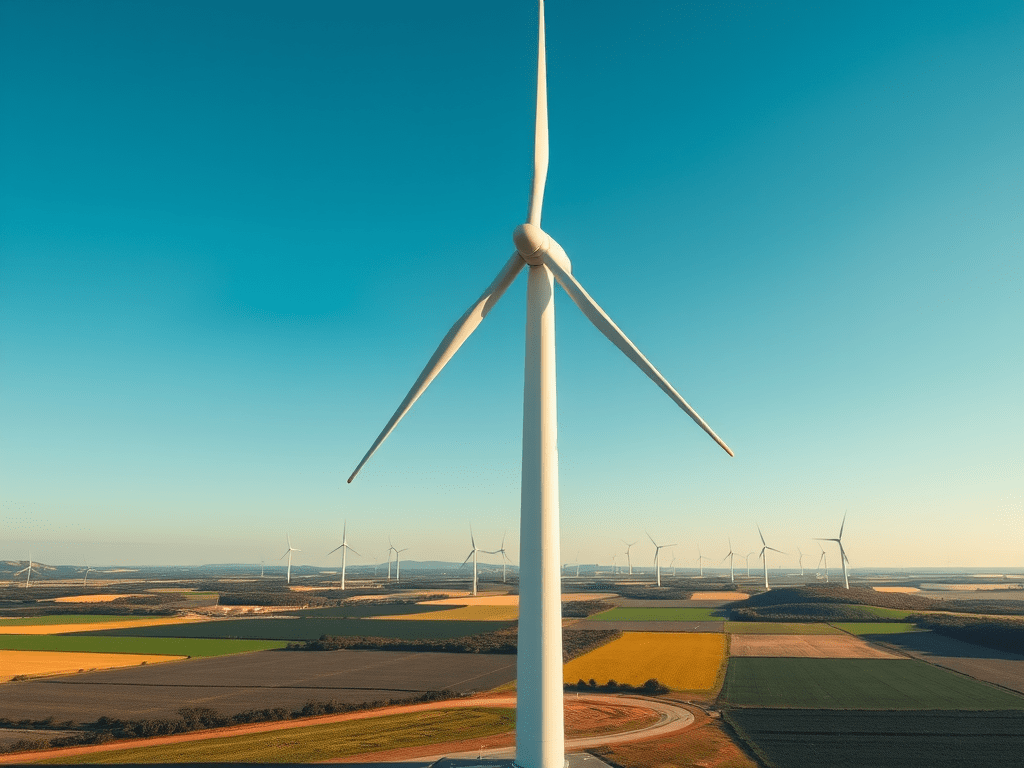
Wind turbines stand out as one of the cleanest sources of energy. When the full lifecycle of a wind turbine is considered—including manufacturing, installation, maintenance, and decommissioning—the emissions are typically in the range of 10–15 g CO₂e/kWh. This remarkably low figure is achieved because, once installed, wind turbines produce electricity without burning fuel or emitting pollutants. Despite being 95% recyclable most Australian wind turbines are bound for landfill because of hefty recycling expenses and a short supply of decaying turbines, this will change as this new resource becomes more abundant
Solar Photovoltaics: A Bright Alternative
Solar panels, which convert sunlight into electricity, have a slightly higher lifecycle CO₂ footprint than wind. The production of solar PV systems—especially the energy-intensive processes required to purify silicon—results in emissions of about 30–45 g CO₂e/kWh. Despite this, solar power remains a very low-carbon option compared to fossil fuels, and improvements in manufacturing continue to lower these figures. Solar is much easier to recycle in Australia as they are 76% glass 10% plastic and 8% aluminum, though a lack of on shore manufacturing will need to be addressed in order to deal with the future waste
Nuclear Energy: Low Emissions with Complex Trade-Offs
Nuclear power plants also exhibit low lifecycle CO₂ emissions, typically ranging from 10–20 g CO₂e/kWh. Although nuclear facilities require significant upfront energy and resources for construction and fuel processing, their long operational lifetimes and minimal emissions during power generation result in a carbon footprint comparable to wind energy.
Nuclear waste has a bad reputation however consider this, from 1954 to 2016, the world generated 390,000 tonnes of waste, Australia alone uses 400,000,000 tonnes of coal each year to generate 46% of our total energy use. It would take us about 3,000 tonnes of uranium for the same amount of power. Nuclear waste is neither particularly hazardous nor hard to manage relative to other toxic industrial waste
What Do These Numbers Tell Us?
- Coal: ~900–1,000 g CO₂e/kWh
An extremely high carbon cost, making coal one of the worst offenders in terms of greenhouse gas emissions. - Natural Gas: ~400–500 g CO₂e/kWh
A cleaner alternative to coal, but still contributes significantly to overall emissions. - Wind: ~10–15 g CO₂e/kWh
One of the cleanest energy sources, with very low emissions over its lifetime. - Solar: ~30–45 g CO₂e/kWh
A low-carbon option that continues to improve with advances in technology. - Nuclear: ~10–20 g CO₂e/kWh
Offers a low-emission energy source, though with complex issues related to waste and high initial costs.
Conclusion
Using CO₂ emissions per kilowatt-hour as our sole metric provides a stark illustration of the environmental impact of different energy sources. Coal and natural gas, while historically dominant, have high carbon footprints that contribute heavily to climate change. In contrast, renewables like wind and solar—as well as nuclear power—offer dramatically lower emissions over their lifetimes, marking them as key options in the transition to a sustainable, low-carbon future.
By focusing on this single, clear measurement, we can better understand the true cost of our energy choices and the urgent need to move away from fossil fuels towards cleaner, more sustainable sources of power.
 BIRDnews
Leave a comment